
Aloe Vera for Sensitive Skin That Needs Less
Updated: Jul 24
Skin that flares up after a new face wash is not asking for a 12-step routine. It is asking for less noise, less friction, and a little more listening. Aloe vera for sensitive skin can be a lovely part of that softer approach, especially when your face feels warm, dry, tight, or simply tired from trying too many things.
But aloe is not automatically gentle just because it comes from a plant. The formula, your skin history, and the way you use it all matter. Think of it as a cool washcloth on a hot day: comforting when it is clean and simple, less comforting when it comes wrapped in fragrance, alcohol, color, and a long list of mystery extras.
Aloe vera for sensitive skin can be a gentle helper
The clear gel inside an aloe leaf contains water-rich compounds that can create a cooling, cushioning feeling on skin. In a thoughtfully made product, aloe may help skin feel temporarily calmer and more hydrated. That can be especially welcome after dry indoor air, wind, mild sun exposure, shaving, or a day when your cheeks seem to have opinions about everything.
Sensitive skin is not one single thing, though. For one person, it means occasional dryness and stinging. For another, it may be connected to eczema, rosacea, acne treatments, allergies, or contact dermatitis. Aloe can feel soothing for some of these experiences, but it is not a cure for a skin condition, and it cannot replace care from a dermatologist when irritation is frequent, painful, or persistent.
There is also a difference between the feeling of cooling and actual healing. That fresh, dewy sensation can be wonderful, but a product that feels nice at first may still leave skin dry later if it does not contain ingredients that help hold moisture in. Aloe works best as one caring piece of a simple routine, not as the whole routine carrying the emotional baggage of every skin concern you have ever had.
The formula matters more than the plant on the label
A bottle labeled “aloe gel” can contain very little aloe and a whole lot of potential irritants. When your skin is sensitive, turn the bottle around before inviting it into your bathroom ritual. Look for aloe high on the ingredient list, with a short, clear formula whenever possible.
Fragrance is one of the most common troublemakers. Even a scent described as botanical, natural, tropical, or relaxing can irritate reactive skin. Essential oils such as peppermint, eucalyptus, citrus, tea tree, and lavender can also be too much when your skin barrier is already feeling fragile. Added dyes and high amounts of drying alcohol can create a similar problem.
A plain aloe product may use a mild preservative, and that is not automatically a red flag. Preservatives help water-based products stay safe from mold and bacteria. The goal is not perfection or ingredient panic. The goal is choosing a product your particular skin can live with peacefully.
Fresh aloe straight from a houseplant sounds wonderfully earthy, but it deserves caution. The yellowish sap just beneath the leaf skin, often called aloe latex, can be irritating and may cause an allergic reaction. Fresh leaves are also harder to prepare and preserve hygienically. For sensitive skin, a reputable, fragrance-free product made for topical use is usually the calmer choice.
Patch testing is a small act of self-trust
Patch testing is not glamorous, but neither is spending three days wondering why your jawline is itchy. Before using a new aloe product across your face, apply a small amount to the inner arm or behind the ear. Leave it there as directed by the product, then watch the area over the next 24 to 48 hours.
Redness, itching, bumps, burning, swelling, or a rash are all signs to rinse it off and skip the product. If your skin stays comfortable, try it on a small area of your face before using more widely. This slow beginning is not being fussy. It is your nervous system and your skin getting a chance to say yes at their own pace.
How to use aloe without overdoing it
Aloe is often easiest to use after gentle cleansing, when skin is still slightly damp. Apply a thin layer with clean hands, then follow with a simple fragrance-free moisturizer. Aloe brings water and comfort; moisturizer helps reduce the chance that the water evaporates back into the air and leaves your skin feeling thirsty again.
If your skin is oily or acne-prone, a lightweight aloe serum or gel beneath moisturizer may feel especially comfortable. If your skin is very dry, aloe alone will probably not be enough. Pair it with a richer cream that contains supportive ingredients such as ceramides, glycerin, squalane, or petrolatum, depending on what your skin tolerates.
For mild sun discomfort, cool aloe can feel comforting, but do not rely on it as sun protection or use it as a substitute for sunscreen. Avoid applying it to blistered, open, infected, or deeply damaged skin unless a medical professional has advised you to do so. If a sunburn is severe, causes blisters, or comes with fever or dizziness, seek medical care.
Aloe can also be helpful after shaving if your skin tends to feel raw, provided the product is free from strong fragrance and cooling additives. “Cooling” ingredients like menthol may feel refreshing for a moment while making sensitive skin sting. Your skin does not need to tingle to be cared for.
Keep the rest of the routine quiet
When you are testing aloe, resist the urge to introduce three other new products in the same week. Sensitive skin responds best when you can tell what is helping and what is not. A gentle cleanser, aloe if it agrees with you, a dependable moisturizer, and daily sunscreen is a beautifully sufficient place to begin.
Be careful about layering aloe with strong exfoliating acids, retinoids, benzoyl peroxide, or prescription treatments if your skin is already irritated. Aloe may soften the experience for some people, but it does not cancel out the intensity of active ingredients. It may make more sense to use those treatments on alternate nights, reduce frequency, or pause and ask a dermatologist for guidance.
When aloe is not the answer
Sometimes sensitivity is your skin asking for a medical check-in, not another soothing product. Make an appointment with a dermatologist if you have recurring rashes, hives, cracked or weeping skin, swelling around the eyes or lips, intense burning, signs of infection, or irritation that will not settle after simplifying your routine.
Skip aloe if you know you are allergic to it or if patch testing brings any reaction. People with allergies to plants in the lily family may want to be especially cautious, though allergy patterns are individual. If you are unsure, a clinician or allergist can help you sort through the question without guesswork.
There is no prize for forcing a popular ingredient to work. A sensitive-skin routine should feel like relief, not a daily negotiation with your reflection.
Make skincare a softer pause
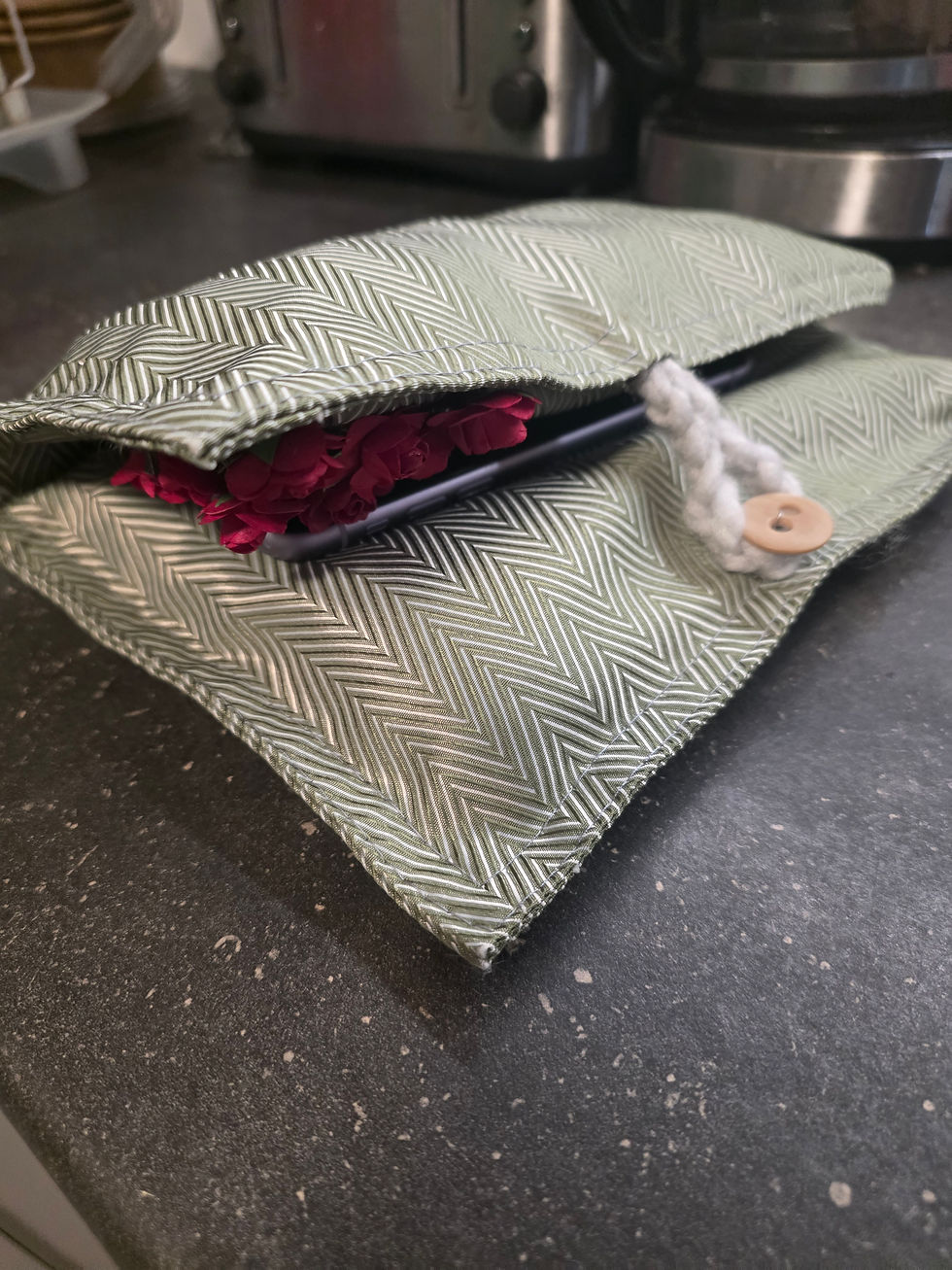
The most healing part of a skincare ritual is sometimes the moment you stop rushing through it. Place your phone in its little resting place, like a Cell Phellow, take one full breath, and let your hands move slowly. This is not about turning moisturizer into a grand performance. It is about noticing whether your face feels comfortable, whether your shoulders have climbed toward your ears, and whether you need less input tonight.
Aloe may become one of those small, cooling comforts your skin enjoys. Or it may not be your thing. Either answer is useful. Let your skin have its own personality, keep your routine gentle enough to hear it, and choose care that leaves you feeling more at home in yourself.

Comments